Skills don’t disappear dramatically – they just go quiet when you stop using them.
I learned shorthand in 1999. Passed my 100 words per minute exam with 100 percent accuracy. 😇
Bloody hell it took graft – daily lessons and practising to the point of obsession. I could barely hold a conversation without thinking of the outline for every word that was said.
But it worked.
I stopped reporting about 20 years ago. That means I stopped needing shorthand a full two decades ago.
And the need is probably even less today. My typing speed is good. AI note-taking is objectively better. It would be perfectly rational to let it go.
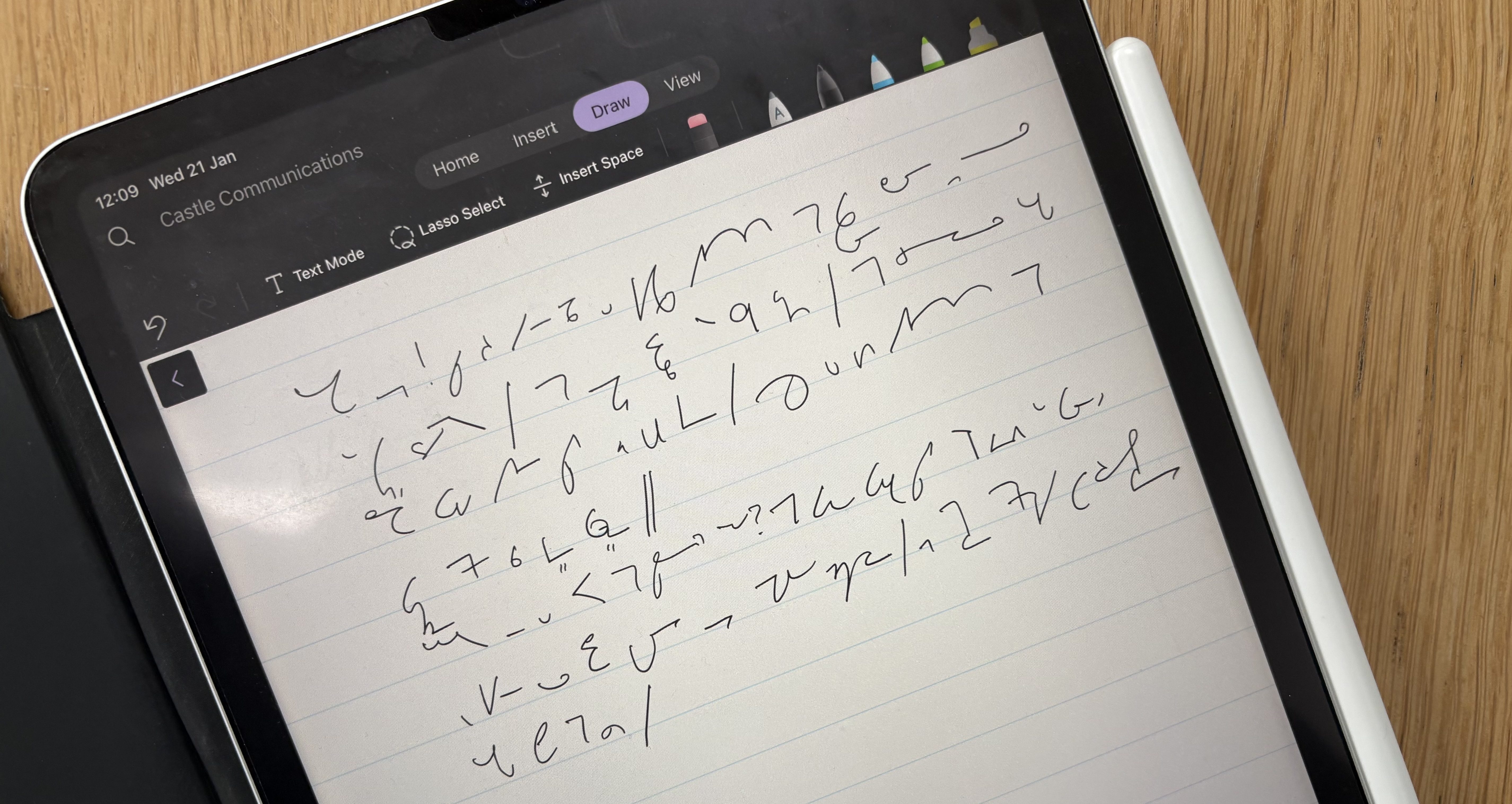
And yet I still write in shorthand every day – albeit on an iPad screen now, not a dog-eared reporters’ notebook.
Don’t get me wrong – it’s handy. Particularly if you don’t want the client you’re interviewing to know what you’re writing.
But if I’m honest, the main reason I still use it is I’m scared that one day, I’ll need the skill, only to realise I’d let it go through neglect.
That’s what I see spokespeople do all the time with interview skills.
We treat them as if they’re only of use in a media meet or a trip to a studio. Then we wonder why we sound clunky when the heat is on.
Skills you use under pressure are rarely the ones you can switch back on at will.
They’re the ones you’ve kept alive in low-stakes conversations, meetings and everyday exchanges.
If we stop practising when it feels unnecessary, it’s only a matter of time before we reach for the skills to find they’re no longer there.
Leave a Reply