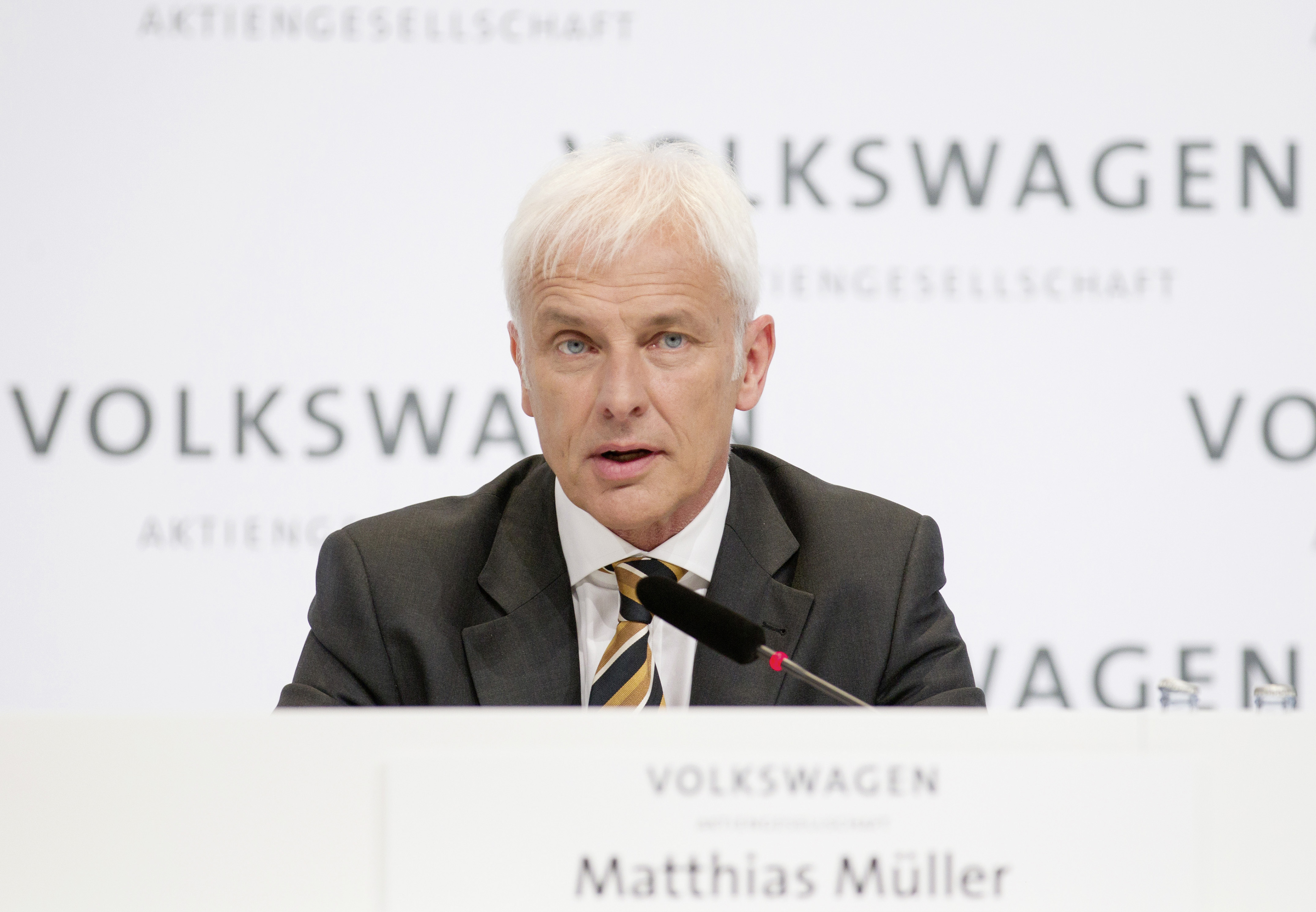
It’s a decade today since Matthias Müller, then CEO of Volkswagen, tried to reframe a crisis that had already cost his predecessor his job.
“We didn’t lie,” Müller told NPR.
Ten years on, it still stands as a sharp case study in a simple communications principle: start with the people most affected.
The backdrop was stark. In 2015, Volkswagen admitted installing software in millions of diesel vehicles designed to cheat emissions tests, allowing cars to pass in laboratories while emitting far higher pollution on the road.
Müller may have believed his statement was narrowly accurate. But accuracy was never the test.
By that point, leadership should have been looking at the issue through a customer and stakeholder lens, not a legal one.
That lens does not ask whether a line has technically been crossed. It asks something far more basic: did you deceive us?
It brings to mind one of many lines I highlighted in Amanda Coleman‘s book, Crisis Communications Strategies:
“Organizations and leaders who put protecting the reputation of the business as the top priority will make bad decisions based on flawed logic. They will act based on facts and figures but at the expense of the emotion of the situation.”
VW’s problem was never a shortage of facts. It was a failure to understand what reputation rests on once trust has gone.
In a crisis, judgement is emotional before it is rational. Reputation is rebuilt through empathy and accountability first, and explanation second.
Technical accuracy counts for nothing if it fails to meet your primary audience exactly where they already are.
Leave a Reply