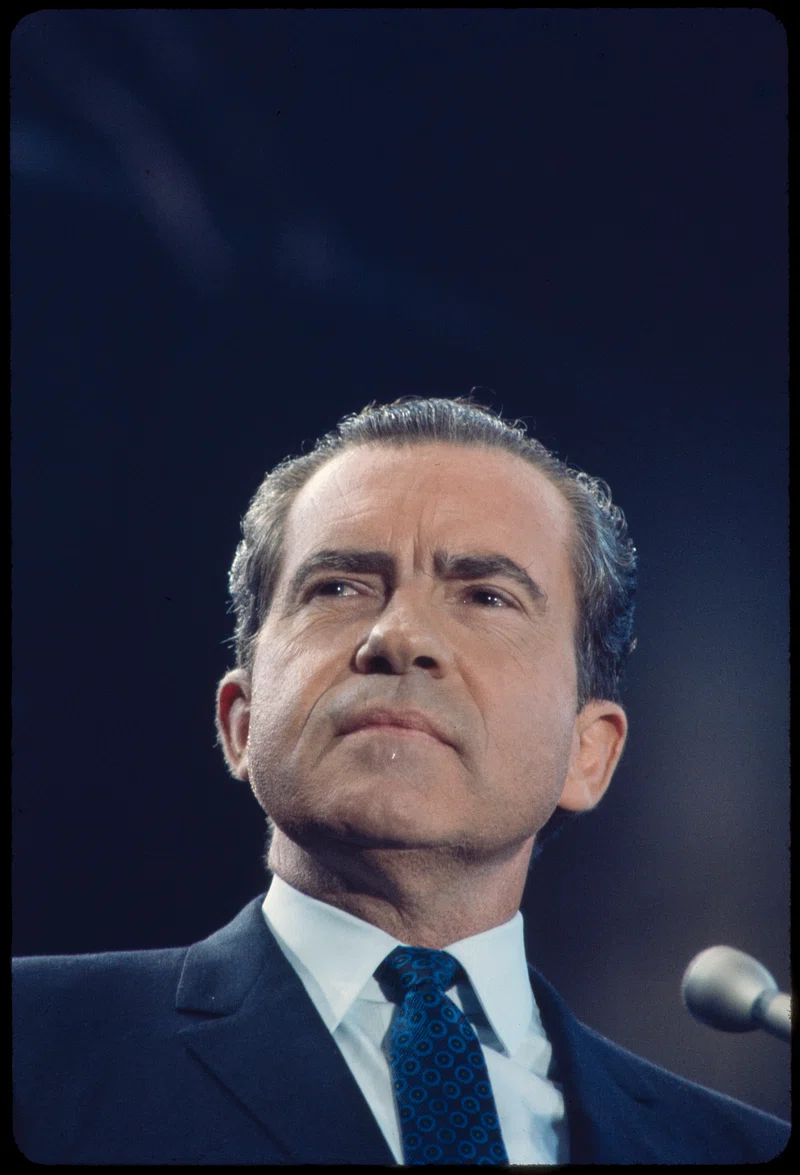
It was on this day (November 17) in 1973 that Richard Nixon stood in front of newspaper editors and swore he wasn’t a crook.
Amid intense public scrutiny over Watergate and allegations he had personally benefited financially from his public office, Nixon said:
“People have got to know whether or not their president is a crook. Well, I’m not a crook. I’ve earned everything I’ve got.”
He meant it as reassurance. But it became a defining part of his legacy.
And there’s one simple lesson that every spokesperson, CEO and leader should take from it.
Don’t repeat a negative. Ever.
When people push back on a tough allegation, the instinct is to deny it directly:
“I’m not dishonest.”
“Our business isn’t in trouble.”
“We’re not a racist family.*”
So why doesn’t it work?
Firstly, pyschologists and linguists have repeatedly shown that your brain hears the idea long before it hears the “not”.
If you say “not a crook,” the listener’s brain activates “crook” first – meaning you’ve already triggered the picture you’re trying to avoid and made it more vivid.
Secondly, frames are powerful, and you can’t talk your way out of one.
Words activate mental frames, and once you trigger the “crook” frame, you’re speaking inside it, even if you think you’re pushing back. You’re not escaping or destroying the frame, you’re reinforcing it.
Finally, your memory drops the negative, but keeps the idea.
Research into recall shows that people often forget the “not” and remember the noun. So when asked to remember what Nixon said, “not a crook” becomes, simply: “crook”.
So don’t repeat the attack; reframe the conversation on a positive.
In high-stakes moments, clarity and framing beat denial every time.